Community First Choice (CFC) Benefit
Remote Supports
Live coaching and support for the moments that call for it.
Remote Supports is a covered benefit under Community First Choice (CFC). It's built around real, specific moments, a morning routine, an overnight risk, the time when a caregiver steps out to pick up the kids, vital monitoring, behavioral tracking, fall detection. The goal is genuine independence at no cost to you.
What is Remote Supports
Remote Supports is a real Medicaid benefit, defined by Colorado's Department of Health Care Policy and Financing (HCPF) as live, two-way virtual coaching, supervision, and cues for everyday activities that don't require hands-on help to do safely. It's delivered under Community First Choice (CFC).
This is a real person, watching for real risk, connected through sensors and a phone or tablet, built around the specific moments that call for it.
It can include:
- Medication and appointment reminders
- Schedule and to-do list check-ins
- Meal preparation support
- General safety awareness
- On-demand support when something feels off
- Fall detection
- Vital Monitoring
The technology that makes this possible, motion sensors, safety alert systems, and similar devices, is itself a covered part of the benefit. You're not buying a device. Community First Choice (CFC) is paying an approved provider to install, monitor, and staff it.
Examples of Coverage
Remote Supports isn't intended as open-ended coverage. Every plan is tied to a specific, documented need, and the goal is always the same: real independence, with less hands-on help needed over time, not more hours layered on.
A morning routine.
Someone wants help getting up and moving through their morning, without a paid attendant standing over them for it. A Remote Care Coordinator (RCC) prompts and checks in for a defined block each morning, built around the actual routine.
An overnight risk.
A specific, documented safety concern, a fall risk, a wandering concern, means someone benefits from a live person available overnight. Tied to the real concern, not offered as a standing default.
A predictable gap.
A live-in family caregiver has to step out, picking up kids from school, running an errand, and doesn't want to leave a parent completely alone. An RCC supervises for that window, so the family isn't stuck arranging or paying for extra coverage just to leave the house for an hour.
Managing a chronic condition, like COPD.
A member's RCC follows a daily check-in built with their own care team: how their breathing is today, whether a rescue inhaler helped, new swelling that could mean fluid retention, plus a blood pressure, pulse ox, and weight reading. If an answer hits a point the care team already flagged as urgent, the RCC follows the escalation plan built into that care plan immediately, catching a flare-up before it turns into a hospital stay.
A documented seizure risk.
A member with epilepsy has most seizures at night, in a bedroom no caregiver can watch every minute. A motion sensor there, not a camera, not a communication device, can pick up the sudden movement of a seizure and alert an RCC in real time, who follows the exact response plan built with the family and the member's neurologist.
Companionship, and room to breathe.
An RCC calls a member for a regular check-in, a real conversation, not just a wellness box to tick. That gives a family caregiver an actual window to step away and rest, and it adds another set of eyes paying attention to how the member is doing, not fewer. It's a documented part of the plan because consistent contact is itself a recognized need, not a substitute for the caregiver's own time with the member.
Life Doesn't Run on One Schedule
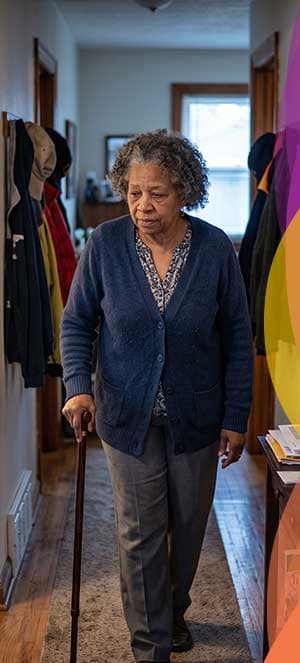
A caregiver's time, paid or unpaid, covers a real and meaningful part of a member's week. It was never meant to cover all of it. A member still gets up on her own most mornings. Still spends a quiet evening while family works or runs an errand. Still has nights where nothing happens, until the one where something does.
None of that means the care already in place is falling short. It means a full life has more moments in it than any single schedule can hold. Remote Supports exists for some of those specific moments, the ones a member and her own care team have actually identified, not a default layered onto every hour no one else is around.
100% Covered. No Cost to You.
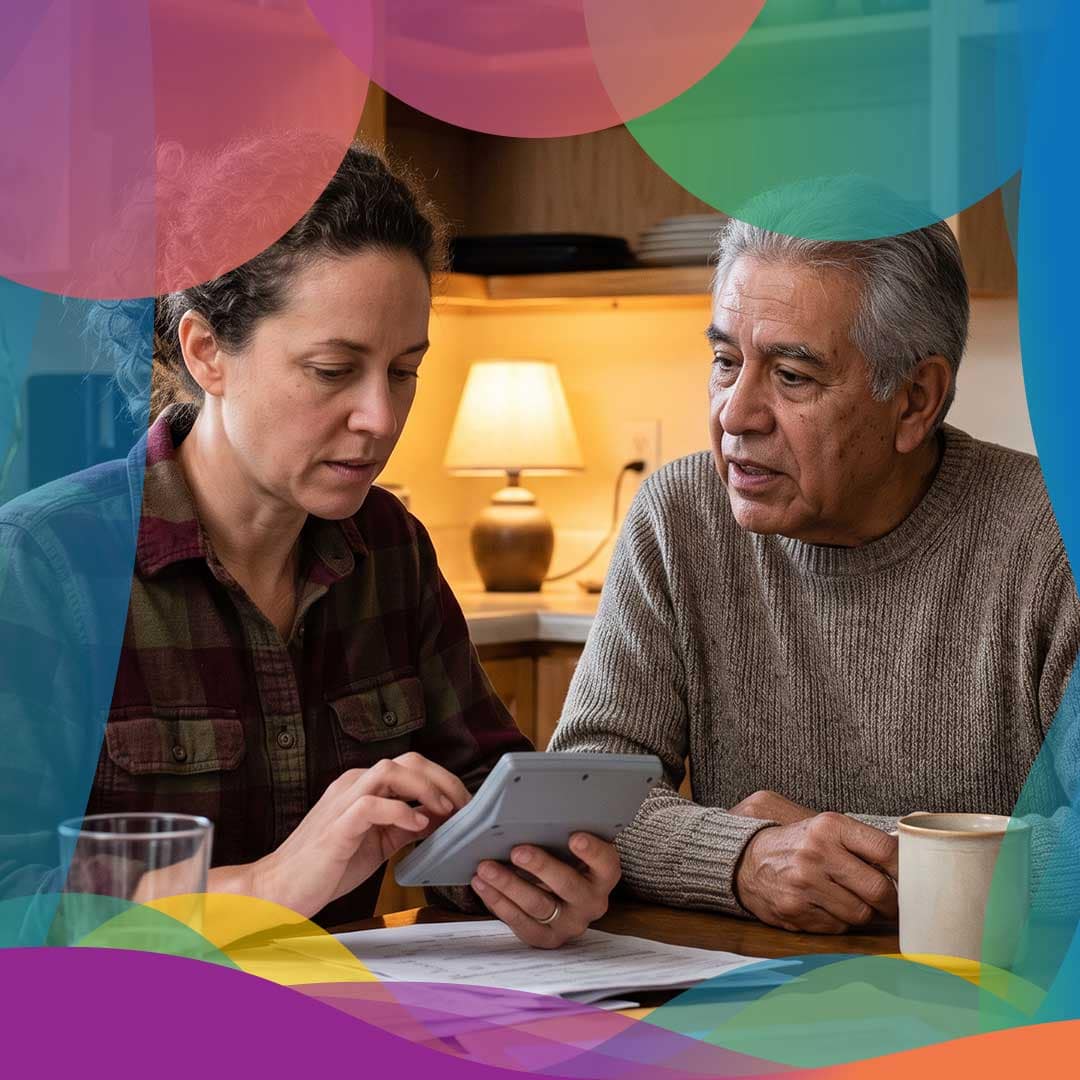
Remote Supports is not something you pay for out of pocket. It's billed directly to Health First Colorado (Colorado's Medicaid program) as a Community First Choice (CFC) service, the same way your health maintenance, personal care, or homemaker hours are.
If you qualify for Community First Choice (CFC) and Remote Supports fits your care plan, it's covered.
Who Qualifies?
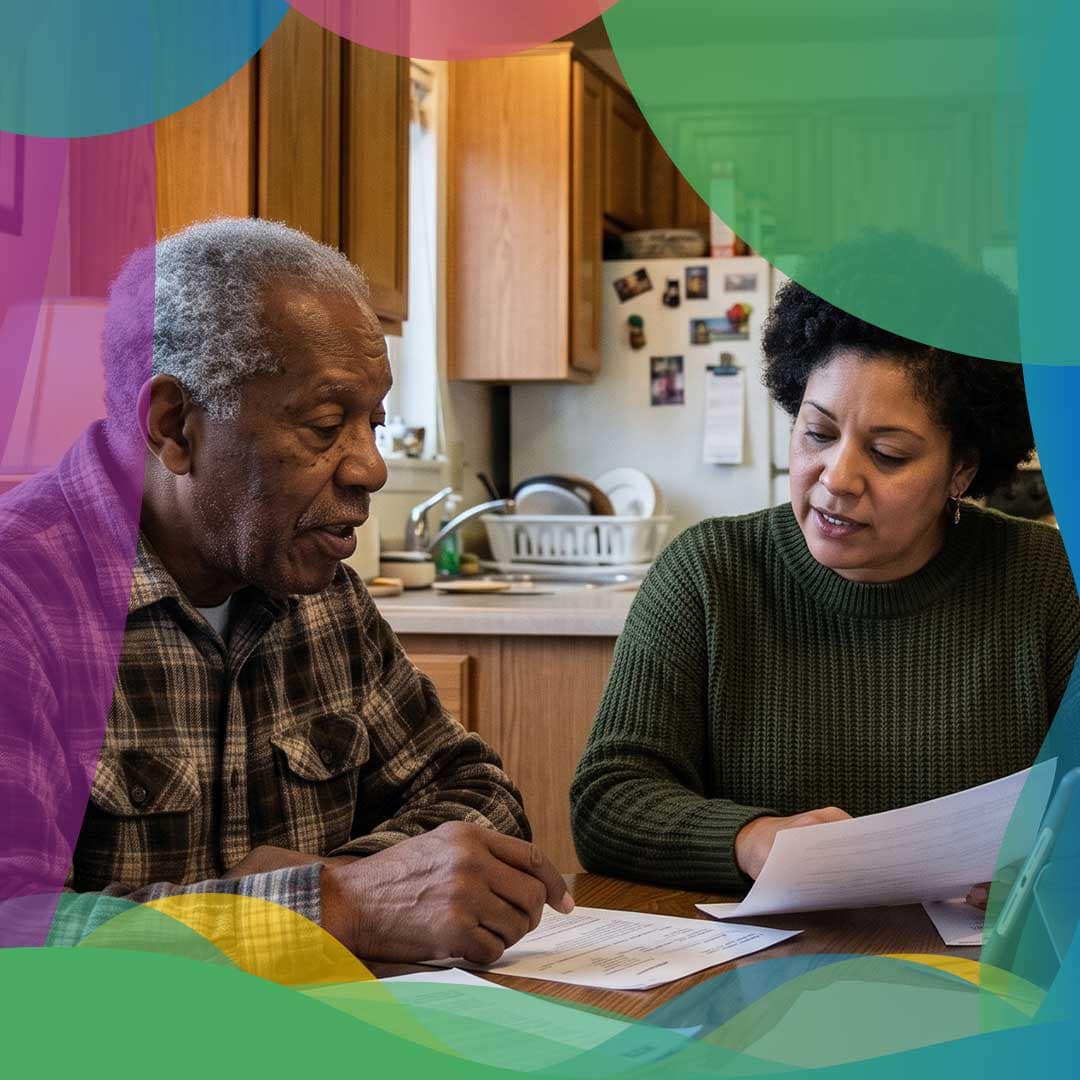
- Qualify for Community First Choice (CFC). This means meeting an institutional level of care and either being eligible for Health First Colorado under the State Plan, or being enrolled in an HCBS waiver and receiving at least one waiver service per month.
- Have an identified need for it. Your person-centered support planning process has to show a real need, and you have to prefer a virtual support option to meet it.
- Have a backup support person. Someone who can respond in person if there's an emergency or if the equipment stops working. This can be an unpaid family member or friend, or a paid attendant, or agency.
Remote Supports isn't available if you live in an HCBS provider-owned or group setting.
A note on that backup support requirement: for many of the families we work with, this is exactly what a family caregiver already is, whether paid through an authorization or providing care unpaid. Remote Supports doesn't replace what they do inside their hours. It's there for the hours outside them, so the person doing the unpaid watching, waiting, and worrying isn't the only line of defense.
Virtual Caregiving
A Remote Care Coordinator (RCC) checks in by phone, tablet, or computer, on a schedule or on demand. Reminders, wellness check-ins, and someone to talk to.
Fall Alert Safety Technology
Wall-mounted sensors, not cameras, not a wearable pendant to remember, detect falls and flag unusual activity in real time. A live team reviews every alert.
Vital Monitoring
Continuous awareness of daily patterns, sleep, meals, bathroom use, activity, day and night, so changes get caught before they become emergencies.
Our Inspiration
One of the families we now serve came to us after a period she describes as one of the hardest of her life. The caregivers who were supposed to be looking after her weren't. Remote Supports became the thing that was actually there: a team who helped her get her medication routine back on track, checked in when she needed it, and gave her the support she wasn't getting from the people paid to provide it.
She told us, in her words, that it helped save her life. We don't say that lightly, and we're not going to turn her story into a marketing line. But it's why we do this. Remote Supports isn't a nice-to-have layered on top of care. For some people, it's the difference between being supported or being alone.
How to Get Started
Remote Supports is accessed through your Case Management Agency as part of your Community First Choice (CFC) service plan. If you're already a Caregivers First Choice client, talk to us and we'll help you bring it to your case manager. If you're new to Community First Choice (CFC), your local Case Management Agency can walk you through eligibility.
A Few Honest Answers
Does this cost anything?
No. Remote Supports is a covered Community First Choice (CFC) benefit, billed to Health First Colorado.
Does this replace my caregiver's authorized hours?
No. Remote Supports isn't stacked on top of caregiving hours, it's built around specific moments: a routine, a documented risk, a short gap. The goal is real independence over time, not more hours added on.
Our family caregiver is stretched thin. Can Remote Supports help with that?
Yes, and the rule itself allows for it, strained unpaid support is a recognized reason to consider Remote Supports. It's not open-ended relief, though. It's built around specific windows, like a caregiver stepping out for an hour, not a blanket substitute for their time.
Is this the same as a medical alert pendant?
No. Pendants require the person to remember to wear them and be able to press a button. These sensors detect falls without requiring any action.
Who actually reviews the alerts?
A live team, not an automated system that just fires off a text and hopes someone sees it.
Can I use Remote Supports if I live with family?
Yes, as long as you have a qualifying backup support person, unpaid family or friend, or an agency provider, who can respond in an emergency.