
Community First Choice (CFC) Benefit
Vital Monitoring
Someone to walk you through it, notice when something's off,
and tell the right people.
Some members managing a health condition want help catching changes early, before a missed reading or a small symptom turns into a bigger problem. Vital Monitoring is a Remote Care Coordinator (RCC) who checks vital signs with them, alerts the medical team and family when something changes, and stays in touch between visits from a caregiver or home health team. It's delivered through Remote Supports, a Community First Choice (CFC) benefit fully covered by Health First Colorado, built around a specific, real need: staying steady through a recovery, a chronic condition, or the period right after coming home.
What's In Your Kit
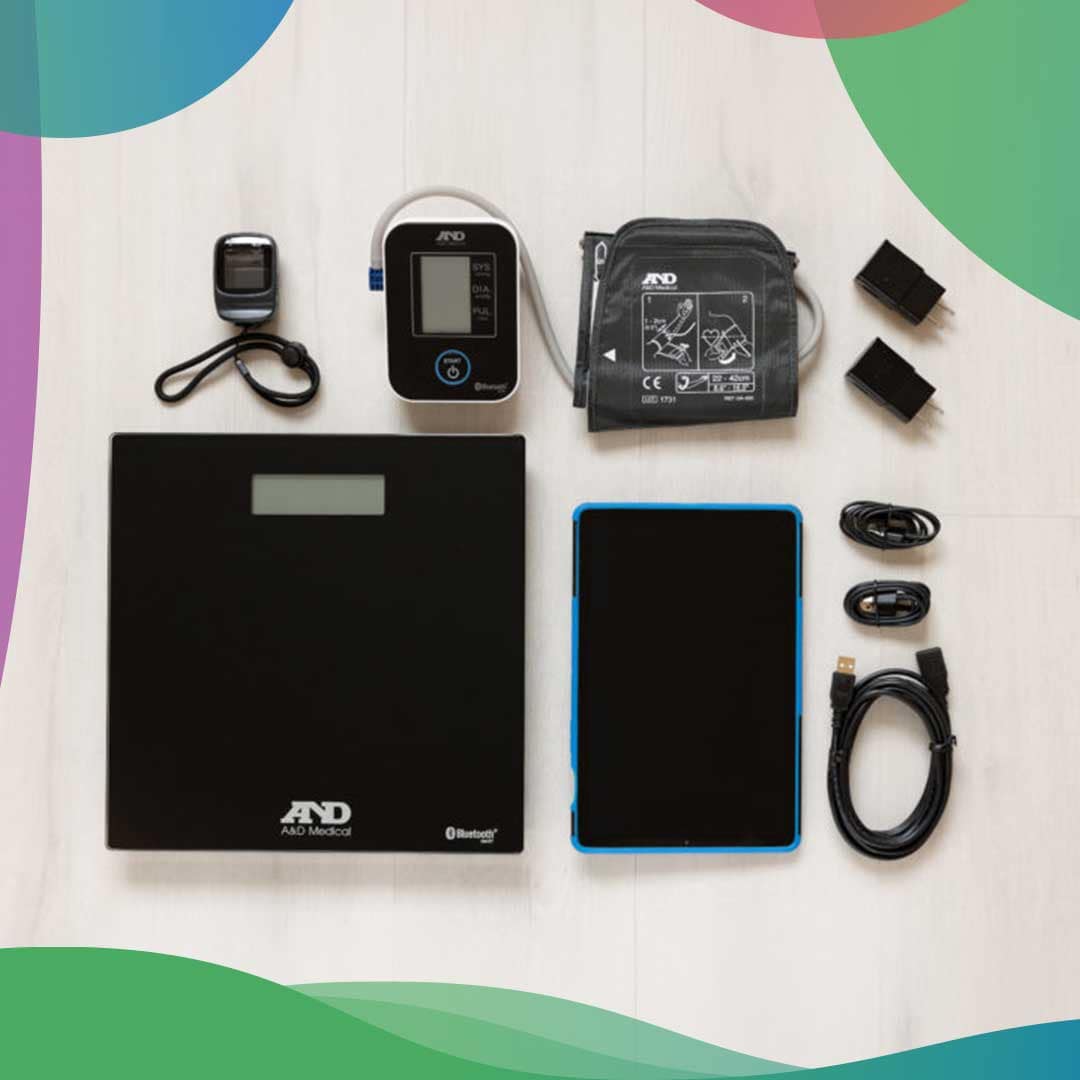
Vital Monitoring isn't a video call app on a phone you already own. Caregivers First Choice provides the equipment, set up and ready to use:
- A connected blood pressure monitor with cuff
- A pulse oximeter
- A digital scale
- Chargers and cables for everything
Your Remote Care Coordinator walks you through setup and every reading the first several times, so no one's left guessing how to use a piece of medical equipment alone.
How We Can Help
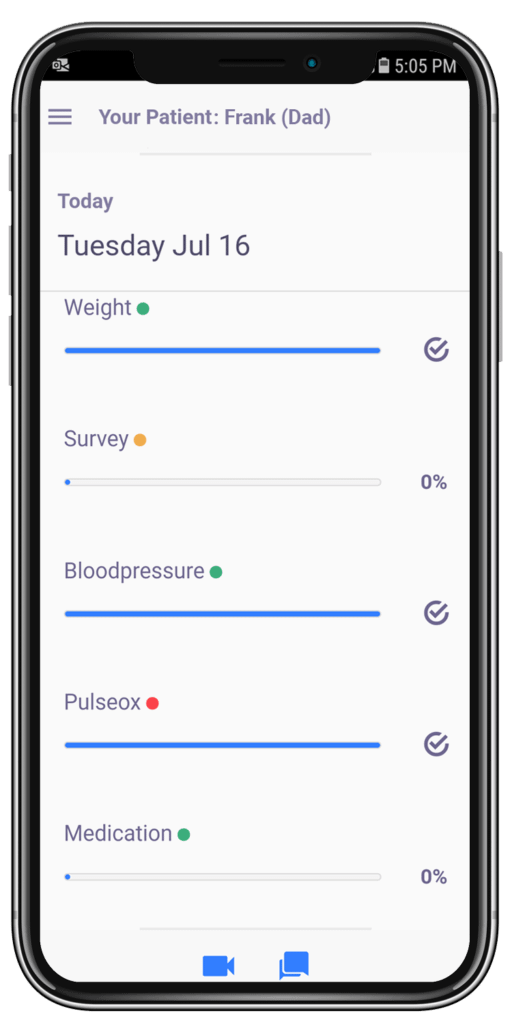
- Monitoring vital signs remotely, with alerts to medical professionals and family when a reading or condition changes
- Walking you through it, taking blood pressure, blood sugar, or other vitals, step by step, with someone on the line
- Education, through videos and real consultations on discharge instructions and managing a chronic condition
- Medication reminders, so a missed dose doesn't turn into a bigger problem
- Keeping follow-up appointments organized, so nothing falls through the cracks between visits
- Lending an ear, when what's needed most is someone to actually listen
Communication is Key
Whether it's pain management or a change in symptoms, your Remote Care Coordinator makes sure your care team and family actually know about it. Symptoms don't have to wait for the next scheduled visit to get reported.
Help Staying Organized
Your Remote Care Coordinator can arrange prescription refills, coordinate durable medical equipment delivery, set reminders for appointments, and help make sure transportation is actually lined up. The kind of coordination that's easy to fall behind on between a caregiver's authorized hours and everything else life requires.
Companionship
Members recovering from something serious often want one steady, familiar voice checking in, not a rotating call center. Over time, your Remote Care Coordinator becomes exactly that, someone who actually knows your situation, there even on the days your caregiver or family can't be.
Reducing the Need to Go Back to the Hospital
The best care at home, backed by a team that's actually paying attention, means fewer complications. Your Remote Care Coordinator works with your family, your other caregivers, and your health care team to help keep recovery on track instead of heading back toward another hospital stay.
Built Around a Real, Documented Need
Vital Monitoring isn't offered by default. It fits a specific situation, someone recovering from a hospital stay, managing a chronic condition, or wanting help staying on top of their own health without needing hands-on care to do it. Colorado's guidance names these examples directly: returning home after a hospital or rehab stay, and fall or near-miss concerns, are both recognized reasons Remote Supports may be the right fit. The goal is real independence in managing your own health, and fewer complications that could otherwise mean more hands-on care, not coverage added on top of it.
Managing Diabetes at Home
A REAL CARE PLAN EXAMPLE
Say a member has diabetes. Their Remote Supports Service Plan is built with their own care team, and their Remote Care Coordinator (RCC) follows it during every check-in. A typical conversation covers the things that actually predict trouble: How are they feeling right now, any shakiness, sweating, confusion, or unusual thirst? Did they take their insulin or other medication as prescribed today? Any meals skipped, or anything unusually heavy in carbs? The RCC also prompts for a blood glucose reading, and asks the member to take a quick look at their own feet for any new cuts, redness, or sores, a small habit that catches a real diabetic complication early, before it becomes a serious wound.
If a reading or answer hits a threshold the care team has already flagged, a blood sugar reading far outside their normal range, or signs of confusion that could mean a severe low, the RCC follows the escalation plan built into that Service Plan immediately, a documented next step agreed to in advance by the member's own clinician, not a guess made on the spot. The goal is catching a dangerous swing while it's still manageable at home, not after it's turned into an emergency room visit.
Managing COPD at Home
A REAL CARE PLAN EXAMPLE
Say a member has COPD. Their Remote Supports Service Plan is built with their own care team, not a generic script, and their Remote Care Coordinator (RCC) follows it during every check-in. A typical conversation asks about the specific things that actually predict a COPD flare-up: Is breathing more labored than usual today? Was a rescue inhaler used, and did it help? Is there a new or worsening cough, and is the mucus an unusual color? Any fever in the last day? Any new swelling in the feet, ankles, or belly, which can signal fluid retention, and if so, was the prescribed diuretic taken, and was there any unusually salty food the day before? The RCC also prompts for a blood pressure, pulse oximeter, and weight reading, all recorded and shared with the care team.
If an answer hits a point the care team has already flagged as urgent, the rescue inhaler didn't help, or a fever shows up alongside discolored mucus, the RCC follows the escalation plan built into that Service Plan immediately. Not a guess, a documented next step agreed to in advance by the member's own clinician. The goal is catching a flare-up while it's still manageable at home, not after it's turned into another hospital stay.
Covered Under Community First Choice (CFC)
Vital Monitoring is delivered as part of the Remote Supports benefit under Community First Choice (CFC). If you qualify, there's no cost to you, including the equipment. See full eligibility and coverage details on our Remote Supports page
Honest Answers
Do I need special equipment to take my own vitals?
Your Remote Care Coordinator can walk you through using a blood pressure cuff, glucose meter, or other basic equipment. Talk to us about what you already have and what you might need.
How is this different from Fall Alert Safety Technology?
Fall Alert Safety Technology already covers pattern awareness, wandering, doors left open, weekly status calls, through its Wellness Monitoring. Vital Monitoring is a different mechanism: a live Remote Care Coordinator actively checking vital signs, coordinating your care, and communicating with your medical team, more hands-on coaching than passive sensing. Many families use both.
Does this replace my doctor or home care nurse?
No. It works alongside them, catching what happens in the gap between visits and making sure your care team hears about it.
Our unpaid family support can't always be the one relaying symptoms or organizing appointments. Does this help?
Yes, though not because it takes tasks off anyone's plate. It's because your loved one already has someone tracking their symptoms and appointments day to day, so there's a lot less for family to have to relay in the first place.
Do we have to buy or keep the equipment?
No. There's no cost to you for the equipment while it's part of your care plan. It's expected to be returned if Vital Monitoring is no longer part of your care.
Virtual Caregiving
A Remote Care Coordinator (RCC) checks in by phone, tablet, or computer, on a schedule or on demand. Reminders, wellness check-ins, and someone to talk to.
Fall Alert Safety Technology
Wall-mounted sensors, not cameras, not a wearable pendant to remember, detect falls and flag unusual activity in real time. A live team reviews every alert.