Community First Choice (CFC) Benefit
Fall Alert Safety Technology
Fall detection that doesn't need a button pressed.
Most people want to move through their own home without a pendant to remember or a button to press, and most falls happen exactly when no one else is in the room. Fall Alert Safety Technology is built around that: quiet motion sensors that notice a fall on their own, and a live Remote Care Coordinator (RCC) who responds immediately. It's part of how Caregivers First Choice delivers Remote Supports, a Community First Choice (CFC) benefit fully covered by Health First Colorado, fall-related response and monitoring is one of the program's covered uses.
How Fall Alert Safety Technology Works
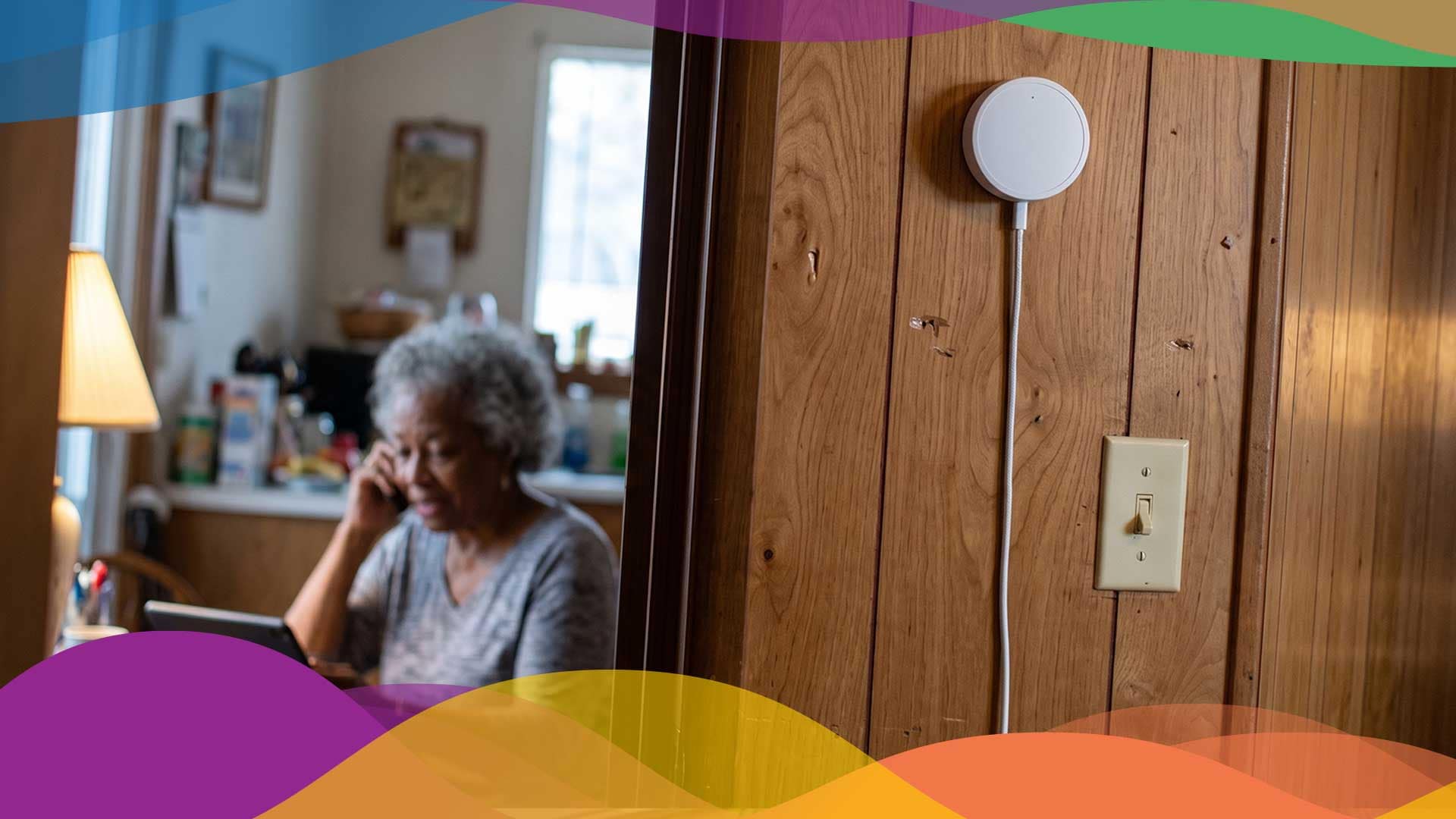
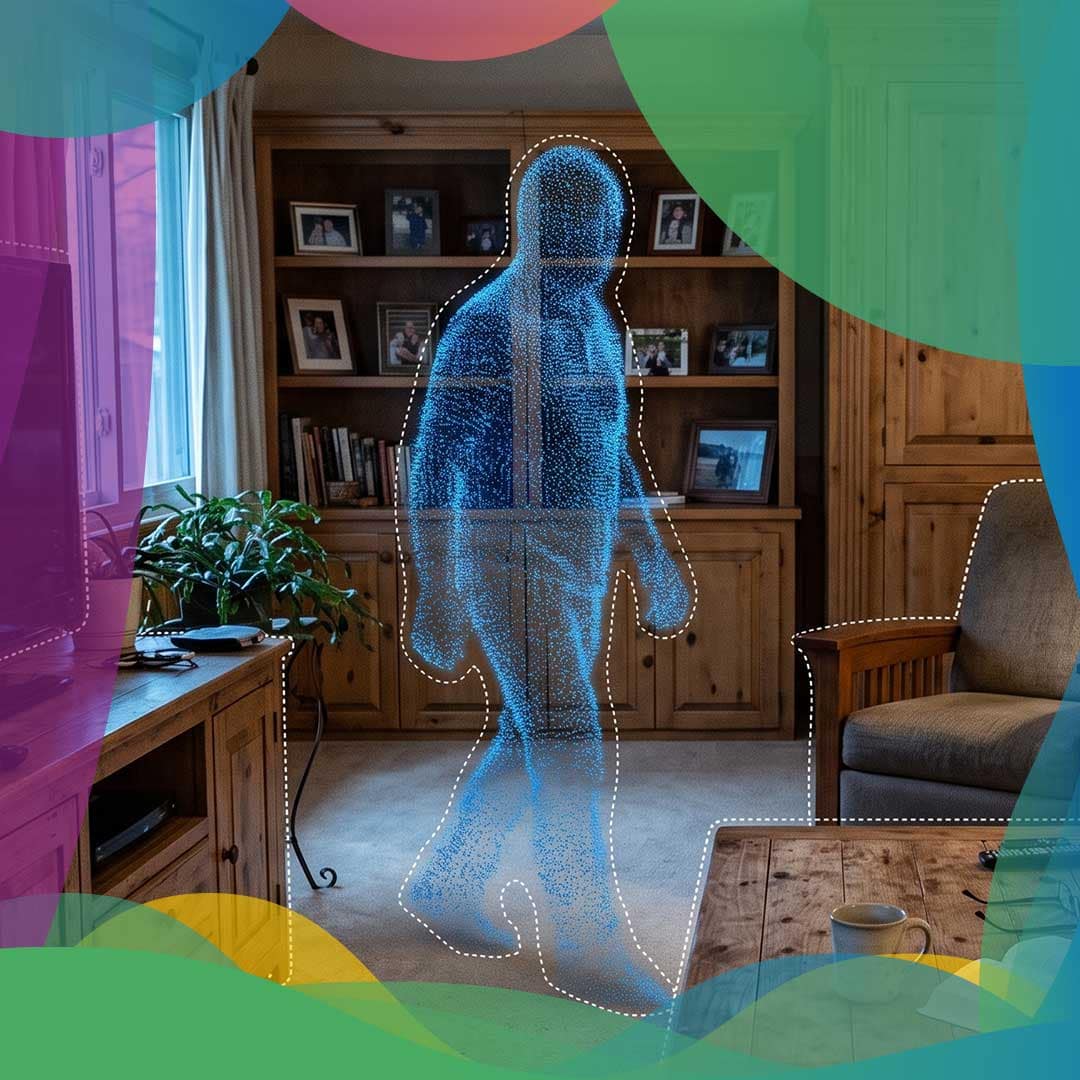
Wall-mounted sensors, not cameras, not wearables, scan the room using motion detection. They can identify when someone is on the floor, or in a specific area like a bed or chair, in any lighting. When an alert fires, a live Remote Care Coordinator (RCC) assesses it before anyone gets a phone call, so a false alarm doesn't turn into a scare and a real fall gets a fast response. Your RCC also reviews the clinical picture behind it, patterns, frequency, timing, so the response is informed, not just reactive.
No Cameras
No Buttons
No Wearables
Two Ways We Deliver This
Fall Alert Safety Technology covers two related but distinct pieces. Most care plans use both together.
Fall Detection (real-time fall response)
- Live fall detection, 24/7
- 24/7 Response Center with optional emergency dispatch
- Clinical review of behavioral trends, frequency, and duration of movement, to flag possible exacerbation of a condition or medication-related incidents
- Escalation pathway for caregiver or family notification
Wellness Monitoring (pattern and safety awareness)
- Detection of wandering and doors left open
Wellness status updates, summaries, and monthly reports - Multiple weekly status check calls
- Clinical review of abnormal behavior or movement, and the possible causes behind it
Where It Matters Most
- Bathroom. Roughly 80% of falls happen here. It's also the room where a pendant almost never gets worn.
- Bedroom. Tracks time in bed and overnight activity, including the walk to the bathroom in the middle of the night, when most falls happen unseen.
- Living Room. Where people spend the most waking hours, often alone.
- Kitchen. Tracks whether someone is still getting to meals, since that access often declines quietly before anyone notices.

What Makes This Different From a Pendant or Pull Cord
- No wearable to remember, take off in the shower, or leave on a nightstand
- No button that has to be pressed during a fall, a stroke, or a loss of consciousness
- Wellness Monitoring adds detection of wandering, doors left open, and other unusual patterns beyond falls
- Privacy-respecting: no cameras, ever
Seizure Safety
A REAL CARE PLAN EXAMPLE
Say a member has epilepsy, and most of their seizures happen at night, in their bedroom, when a caregiver can't realistically be standing in the doorway watching. Fall Alert Safety Technology's motion sensors, the same ones that detect a fall, are placed in that bedroom and can pick up the sudden, unusual movement that comes with a seizure. When that happens, a Remote Care Coordinator (RCC) is alerted immediately and follows the exact response plan built with the member's family and their neurologist, how long to wait before acting, who to contact first, when to call 911. That's the difference this makes: a caregiver who is in another room, asleep, or simply can't be watching every second gets a real-time alert the moment something happens, instead of finding out only when they happen to check in later. The sensors are motion-based, not cameras, and they aren't the same as the two-way communication devices used for live coaching, which by rule can't be mounted in a bedroom. A fall or motion sensor placed in a bedroom is a different technology, built for exactly this kind of situation.
Covered Under Community First Choice (CFC)
Fall Alert Safety Technology is delivered as part of the Remote Supports benefit under Community First Choice (CFC). The sensors, installation, and monitoring are covered for eligible members, at no cost. See full eligibility and coverage details on our Remote Supports page
Honest Answers
Is this a camera in my loved one's home?
No. The sensors detect motion and position via radar, not images. Nothing is recorded on video.
What happens after a fall is detected?
A live Remote Care Coordinator (RCC) reviews the alert immediately, confirms it, and follows the response plan built into your care plan, which may include contacting your backup support person or emergency services.
Does this replace a caregiver being there?
No. Fall Alert Safety Technology is itself part of Remote Supports, so it can't count as the backup support person Community First Choice (CFC) requires. That has to be a separate person, unpaid family, a friend, or a paid agency attendant, who can step in if the technology stops working.
Can someone still live safely on their own, even when family can't be right there?
Yes. Fall-related response and monitoring is one of Remote Supports' own named, covered uses, a direct way for someone to keep the independence of living at home, with a real person responding the moment something happens.
Will this work if my loved one has dementia?
Yes. Because there's no wearable and no button to remember, it works well for people who wouldn't reliably use a pendant.
Virtual Caregiving
A Remote Care Coordinator (RCC) checks in by phone, tablet, or computer, on a schedule or on demand. Reminders, wellness check-ins, and someone to talk to.
Vital Monitoring 24/7
Continuous awareness of daily patterns, sleep, meals, bathroom use, activity, day and night, so changes get caught before they become emergencies.